
Flatbed Truck Hire Quote Checklist for Northern Ireland
A practical call checklist for Northern Ireland flatbed hire, focused on the details that decide vehicle size and safe loading.
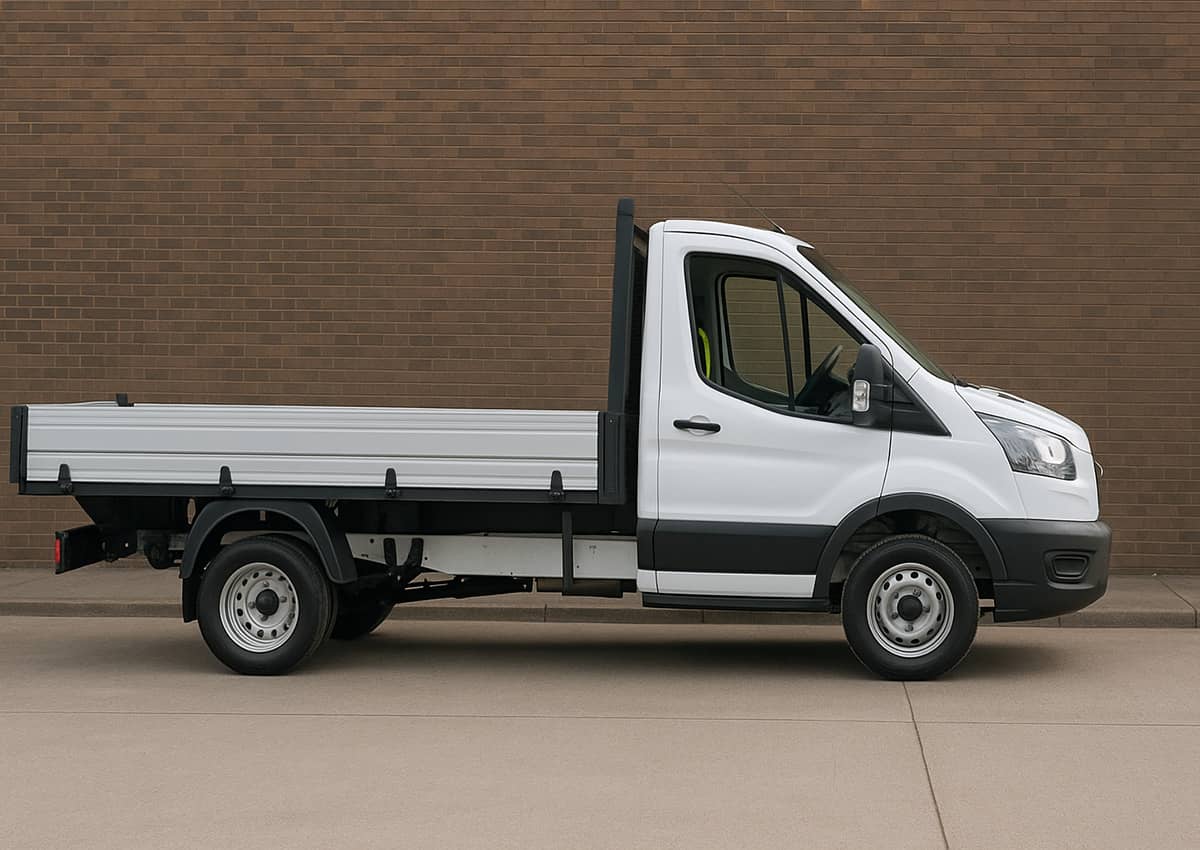
Load description
Prepare the item type, quantity, approximate weight, dimensions, packaging and whether anything is loose, bundled, sharp-edged or weather-sensitive.
For trade jobs in Northern Ireland, flag pallets, scaffolding, machinery, site supplies, timber, steel, plant tools and builders' merchant orders early in the call.
Collection and delivery access
Give the exact collection and delivery setting, especially if the job is around busy centres such as Belfast or Derry.
Mention height limits, width restrictions, loading bays, kerbside rules, gate codes, security requirements and whether a forklift, crane or manual team will be available.
Driver and timing checks
The call should confirm hire dates, collection windows, return expectations, driver entitlement and whether the journey includes motorways, constrained city routes or timed site slots.
For 7.5 tonne flatbed hire, those checks become more important because route access and standing space can decide whether the booking is viable.
What to avoid on the call
Do not describe the job only as a quick delivery; that hides the details that determine payload, vehicle body and safe restraint.
For Northern Ireland, be specific about the route, load and site conditions so the quote can be based on real operating constraints rather than a generic flatbed request.
Before you call
Use this flatbed truck hire quote checklist guide as a practical filter before you call. Write down the route, hire date, load size, approximate weight, loading method and delivery or collection address.
Those details matter more than a broad label such as flatbed truck hire, especially when the truck has to fit a specific site, driver and trade job.
Vehicle and route checks
If the job changes, compare the guide topic with the wider flatbed truck hire service. A small flatbed enquiry may need a 7.5 tonne dropside, long-bed flatbed, tail-lift vehicle or specialist loading option.
For delivery and collection, give the full address plus parking, loading bay, timed access, height, gate, forklift and site-traffic restrictions so availability can be checked against the real route.